
A System Sized for the Way Your Household Actually Uses Hot Water
A water heater installed correctly disappears into the background of a building for a decade or more. One installed carelessly announces itself constantly, through lukewarm showers, a vent that backdrafts, and a relief valve that weeps every afternoon. Murray In A Hurry Plumbing installs gas, electric, and hybrid water heaters for homes, rental properties, and commercial buildings across Show Low, Arizona, and throughout Pinetop-Lakeside, Snowflake, and Taylor. Sizing comes before anything else, because the right unit for a two-bathroom cabin and the right unit for a six-person household with a soaking tub are not remotely the same appliance.
Every installation includes the details most people never think about: adequate combustion air, correctly pitched venting, a functioning expansion tank, dielectric protection at the connections, and a drain pan wherever one belongs. Permits and inspections are handled as part of the job rather than left to you. With 19
years of work in the White Mountains behind us, we plan around groundwater that stays cold well into spring. Ask for a free estimate through our contact page and we will size the system with you.
Water Heater Installations We Perform
Gas Tank Water Heater Installation
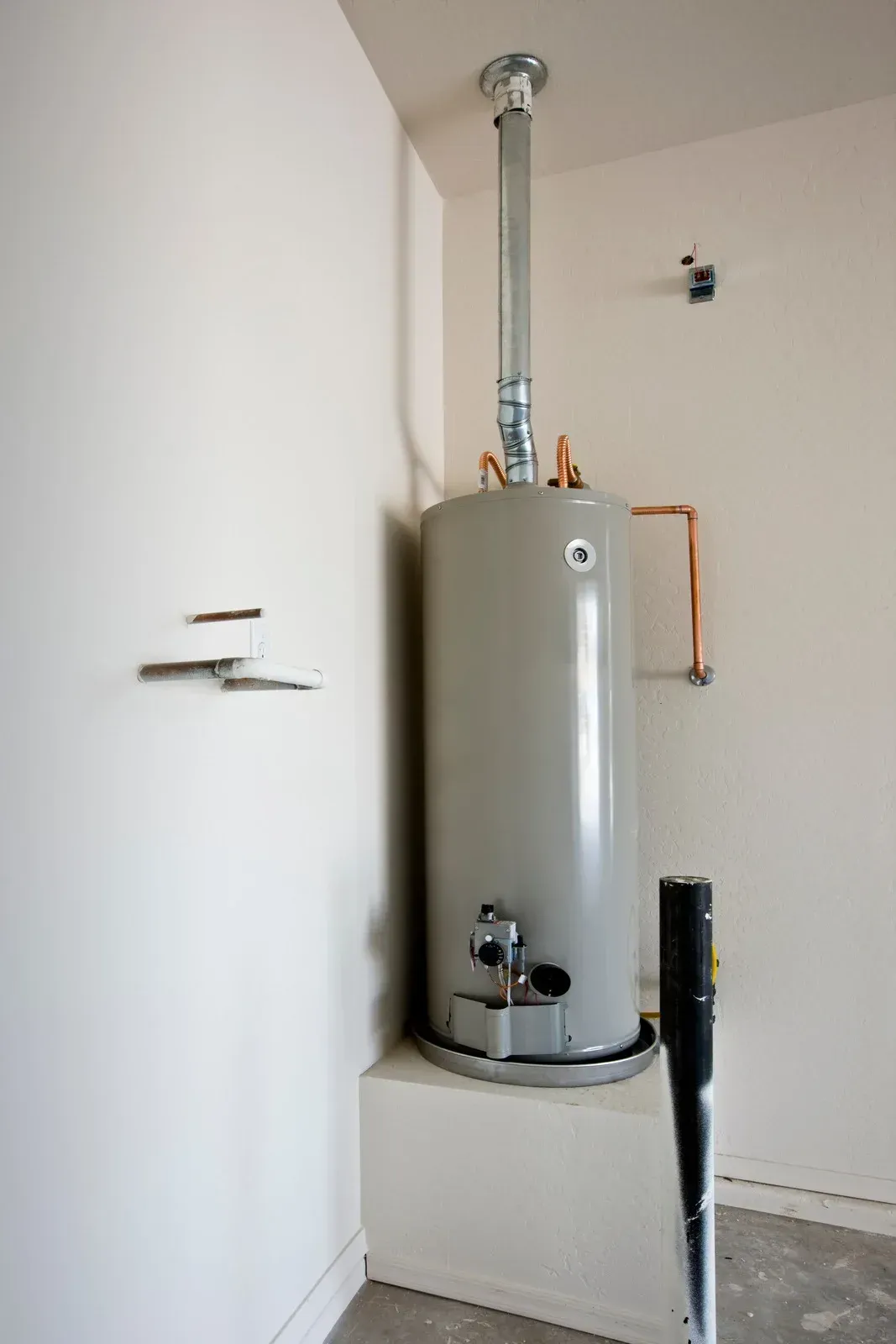
Natural gas remains the fastest recovery option for a busy household. We set the unit, run and pressure test the gas connection, size the venting to the appliance, and confirm the burner reaches full input before the truck leaves your driveway.
Electric Tank Water Heater Installation
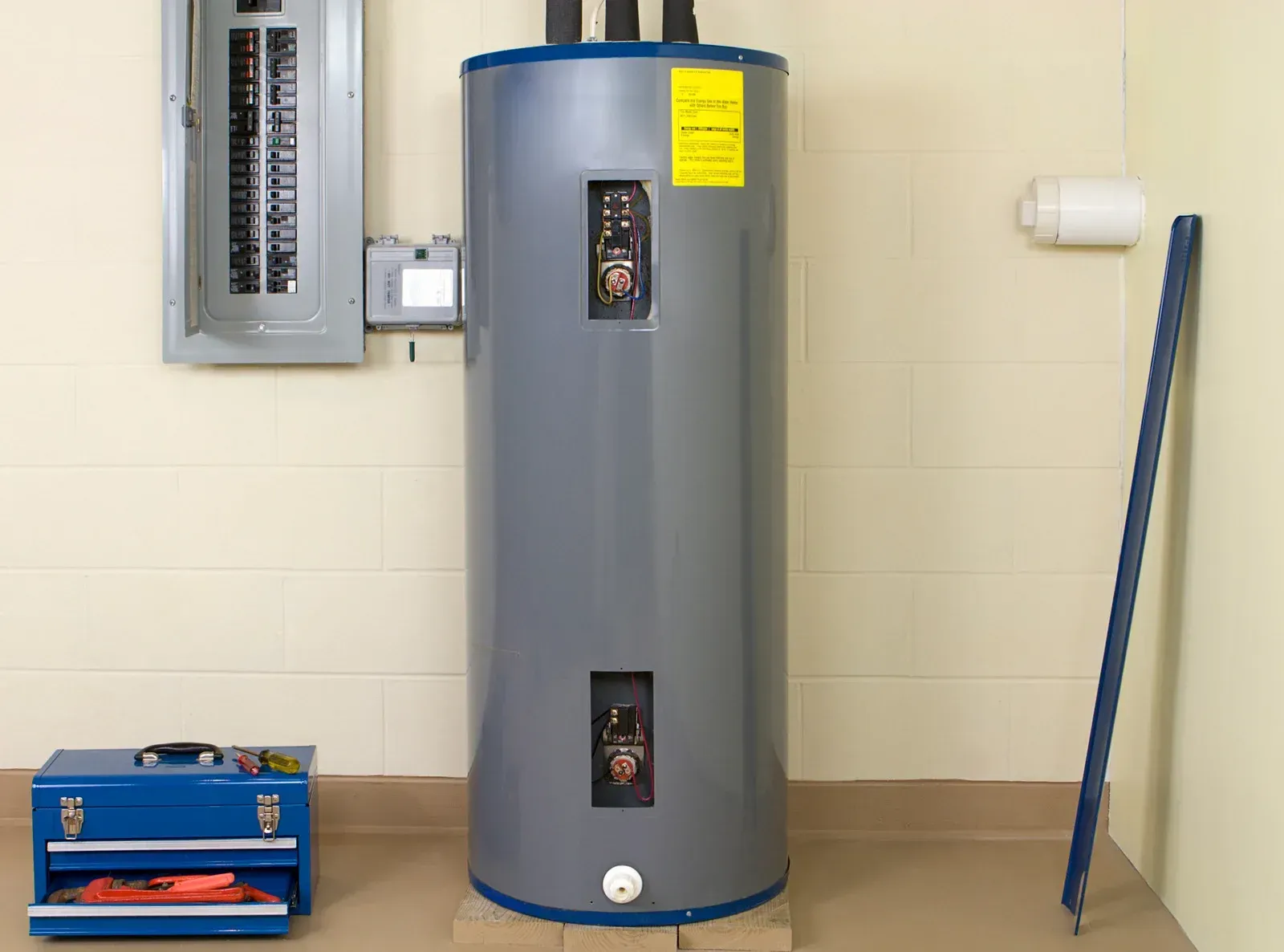
Electric heaters suit properties without a gas supply or with tight venting constraints. We verify circuit capacity and breaker sizing, land the connections cleanly, and set both thermostats so recovery matches how many fixtures the building actually runs.
Hybrid Heat Pump Water Heater Installation
Heat pump models pull most of their energy from the surrounding air and cut operating costs sharply. Placement matters more than with any other type, so we look hard at room volume, ambient temperature, and condensate routing before committing to a location.
Point-of-Use and Secondary Unit Installation
A far bathroom, a shop sink, a casita, or an addition often makes more sense with its own small heater than with a long run of pipe. Dedicated units cut the wait for hot water and take load off the main system.
New Construction and Addition Installs
Building or adding on gives us the chance to place the heater properly from the start. We coordinate rough-in with the framing schedule, plan venting routes that stay short and direct, and leave clear service access around the finished installation.
Hot Water Recirculation Installation
Long waits at a distant fixture waste both water and patience. A recirculation pump with the right controls delivers hot water almost immediately at the tap, and we set the timer or thermostat so it is not running pointlessly all night.
What a Well-Planned Installation Delivers
Capacity Matched to Peak Demand
Sizing is a calculation, not a guess drawn from the label on the old unit. We count fixtures, ask how mornings actually run in your home, and factor in the cold inlet temperatures the high country produces before recommending a capacity.
Code-Compliant Work With the Permit Pulled
Water heater installations are inspected for good reason, since venting, gas, seismic strapping, and relief piping all carry real safety weight. We pull the permit, complete the work to code, and meet the inspector so the file closes cleanly.
Efficiency You Notice on the Bill
A modern unit with better insulation and a more efficient burner or element uses noticeably less energy than a heater built 12 years ago. That gap shows up every month, and it widens as the old equipment continues to degrade.
Venting and Combustion Air Done Right
Undersized or poorly pitched venting is the single most common defect we find on gas heaters. Correct vent material, proper slope, appropriate clearances, and sufficient combustion air keep exhaust outside the building where it belongs.
Pressure Controlled by a Working Expansion Tank
Heated water expands, and a closed system gives it nowhere to go except against your fixtures and the relief valve. A correctly charged expansion tank absorbs that pressure and quietly extends the life of everything downstream of the heater.
Warranty Coverage That Actually Holds
Manufacturers void warranties over improper venting, missing expansion tanks, and undersized gas supply more often than homeowners realize. A documented, code-compliant install keeps that coverage intact for the entire term you paid for.
The Installation Decides How the Next Decade Goes
Two identical water heaters can lead completely different lives depending on how they were sized, vented, and connected on day one. Correct capacity means nobody is rationing showers, honest venting means combustion gases go outside, and a working expansion tank means your relief valve is not doing a job it was never meant to do. Murray In A Hurry Plumbing has installed these systems in cabins, rentals, and commercial buildings around Show Low, Arizona for 19 years, and every job includes permitting, testing, and a clear walkthrough at the end. Contact us for a free estimate, and ask about our 18% veteran discount.
FAQ's
Got Questions? We’ve Got Answers.
What size water heater does my home need?
Bathroom count, family size, and simultaneous use drive the number far more than square footage does. A busy four-person household typically lands on a 50-gallon tank, while a larger home with a soaking tub often needs 75 gallons or a second unit.
Is gas or electric the better choice up here?
Gas recovers faster and generally costs less to run where a supply already exists, which matters when inlet water is cold most of the year. Electric wins on installation simplicity and suits properties with no gas service or difficult venting.
Do I need a permit to install a water heater?
Yes, in nearly every jurisdiction. Permitting exists because venting, gas piping, and pressure relief carry genuine safety consequences. We pull the permit, perform the work to code, and handle the inspection as part of the project.
Where in a building can a water heater be installed?
Garages, utility rooms, basements, and dedicated closets all work when clearances, combustion air, drainage, and access are right. Bedrooms and bathrooms carry strict restrictions, and any location above finished space needs a pan with a proper drain.
Does a heat pump water heater work in a cold garage?
It depends on how cold that garage gets. These units pull heat from surrounding air, so performance drops as ambient temperature falls and the backup elements pick up more of the load. We assess the space honestly before recommending one.
Will you install a unit I bought myself?
We can, though we will inspect it first and explain how the manufacturer warranty treats homeowner-supplied equipment. Buying through us usually costs about the same once labor is settled, and it keeps parts and labor coverage under one roof.
How long does a water heater installation take?
A standard tank replacing an existing unit in the same location generally takes three to four hours. First-time installations, fuel conversions, and hybrid units run longer, since gas, electrical, venting, and condensate work all get added to the day.
Do I need a drain pan and an expansion tank?
A pan is required whenever a leak would damage finished space below or nearby, and it is a cheap insurance policy anywhere else. Expansion tanks are required on closed systems, which describes most properties with a backflow preventer or pressure regulator.