
Find Hidden Sewer Problems Without Unnecessary Digging
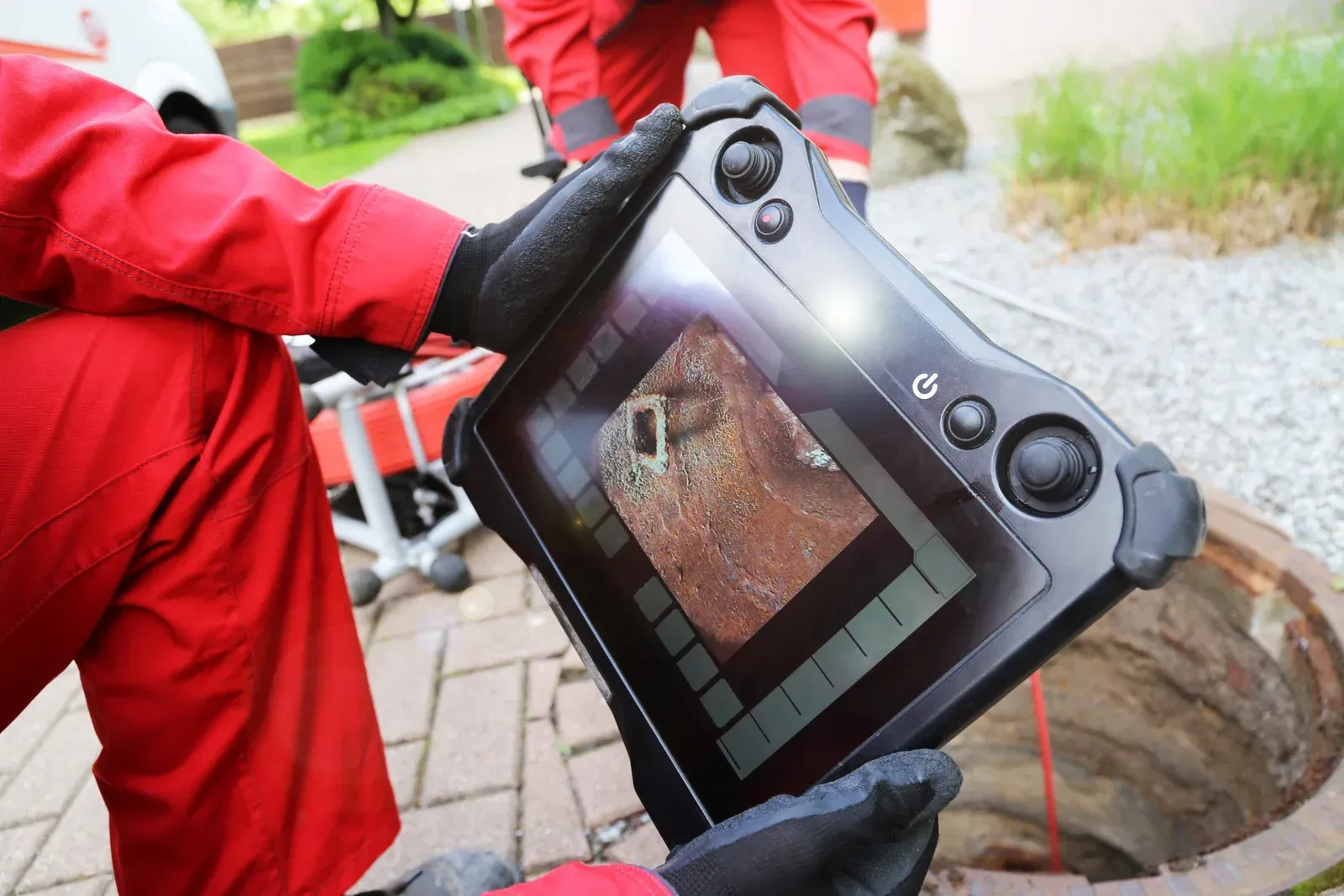
Guessing about a buried pipe is expensive. A camera turns guesswork into footage, showing cracks, offsets, roots, and standing water at a measured depth and distance so a repair can target one spot instead of an entire yard. Murray In A Hurry Plumbing runs sewer camera inspection for homeowners, buyers, landlords, and business owners across Show Low, Arizona, and throughout Pinetop-Lakeside, Snowflake, and Taylor.
You watch the screen with us in real time, and you keep the recording afterward. Our 19 years in the field have taught this team what a belly looks like versus a simple sag, and where a soft spot is likely to fail next. That reading is what turns raw video into a real plan with clear priorities and honest options. Book an inspection through our contact page, and ask about our free estimates while you are there.
Sewer Inspections We Perform
Pre-Purchase Sewer Scope Inspections
Standard home inspections stop at the fixtures, which leaves the buried lateral completely unexamined. A scope before closing reveals breaks, root masses, and previous repairs while you still have room to renegotiate or walk away from a costly surprise.
Recurring Backup Diagnostics
A drain that clogs again every few months is telling you something structural. Camera footage identifies whether grease, roots, a belly, or a broken section keeps catching debris, so the fix addresses the cause rather than the symptom.
Root Intrusion Locating
Roots enter through one weak point, not everywhere at once. The camera pinpoints that entry and measures how far in it sits, letting a repair open a narrow trench in exactly the right place instead of a long exploratory one.
Line Locating and Depth Mapping
A transmitting sonde inside the camera head lets us mark the pipe route and depth on the surface. That map guides excavation, protects other buried utilities, and helps you plan patios, additions and landscaping without gambling on a hidden line.
Post-Repair Verification Inspections
Finished work should be provable, not merely promised. Running the camera after a repair confirms proper alignment, continuous fall, and a completely clear path, giving you documented evidence that the line performs the way the invoice says it does.
Commercial Drain Line Inspections
Restaurants, motels, and multi-tenant buildings depend on drain lines carrying heavy volume every single day. Periodic camera checks reveal grease accumulation and early structural wear long before a blockage forces a closure at the worst possible moment.
How Camera Inspections Support Accurate Repairs
Evidence Instead of Guesswork
Decisions about buried pipe should rest on something you can actually see. Footage removes speculation from the conversation entirely, so you know whether a line needs urgent attention, planned replacement, or simply another look a year from now.
Smaller, Cheaper Repairs
Knowing the precise location of a defect keeps excavation tight and focused. That single piece of information routinely turns a sprawling dig into a compact, targeted repair, which shows up directly in the labor hours and restoration costs you pay.
Confidence Before You Buy
Few things sour a new home faster than an unexpected sewer bill in month two. A scope before closing puts that risk on the table while price and repair responsibility are still open for honest negotiation between both parties.
Early Warning on Small Problems
Hairline cracks and light root growth are cheap to address and expensive to ignore. Seeing them early lets you schedule the work on your own calendar and your own budget rather than at three in the morning during a backup.
Protection During Property Handoffs
Landlords, buyers, sellers, and property managers all benefit from having a documented baseline. A dated recording settles arguments about who caused what, which matters enormously when a tenant changes or a building sells a few years down the road.
A Reference You Keep
The recording stays useful long after the visit itself ends. Comparing new footage against the original shows exactly how fast a condition is progressing, turning a one-time inspection into an ongoing record of your line's health over time.
See the Problem Before Planning the Solution
There is no substitute for seeing the actual condition of your own pipe. An hour with a camera can redirect a project from a full replacement to a single spot repair, or confirm that a line everyone worried about has years of service left. Murray In A Hurry Plumbing brings that clarity to homes, rentals and businesses across Show Low, Arizona, and we walk you through the footage in plain language rather than handing over a file and a bill. Whether you are buying a property, chasing a repeat backup or planning a project over a buried line, start by looking. Schedule your inspection through our contact page.
FAQ's
Got Questions? We’ve Got Answers.
How long does a sewer camera inspection take?
A standard residential inspection generally runs 30 to 60 minutes on site. Locating the cleanout, the total length of the lateral, and any obstruction that has to be cleared before the camera can pass all influence that timeline.
What can a camera see that a plumber cannot?
The camera reveals interior conditions that no exterior test can possibly show: hairline cracks, offset joints, bellies holding standing water, root masses, grease buildup, foreign objects, and collapsed sections, each with a measured distance from the access point.
Does the line need to be cleared before scoping?
Sometimes. A camera cannot travel through a solid blockage, so a heavily obstructed line may need clearing first. Light debris and shallow standing water are usually no problem at all, and we assess that at the beginning of the visit.
Can a camera find a leak in a water supply line?
No. Sewer cameras travel inside drain and waste lines, which sit open to the air. Pressurized supply lines require entirely different diagnostic methods such as acoustic listening, pressure testing or thermal imaging to locate a hidden leak accurately.
Will I get a copy of the video?
Yes. Murray In A Hurry Plumbing sends every Show Low, AZ customer the recording along with our notes on what it shows and where each condition sits. That documentation helps with insurers, real estate negotiations and any contractor working there later.
How often should a sewer line be inspected?
Homes with mature trees near the lateral, cast-iron drain lines or a history of backups benefit from a check every year or two. Newer properties showing no symptoms at all can comfortably go considerably longer between inspections.
Is a camera inspection worth it on a newer home?
Often, yes. Construction debris, poor bedding, and improper slope are surprisingly common even in newer builds, and catching a settling or bellied section while the builder warranty still applies can save you the cost of an entire repair.
Do you inspect commercial and rental properties?
We do. Murray In A Hurry Plumbing scopes restaurant grease lines, motel mains, and rental portfolios throughout Show Low, AZ, scheduling around your business hours and providing footage that property managers can file directly with their ongoing maintenance records.